



لأول مرة في العالم.. مشروع مصري يربط بين نفسية العامل وفاتورة الكهرباء وجودة المنتج
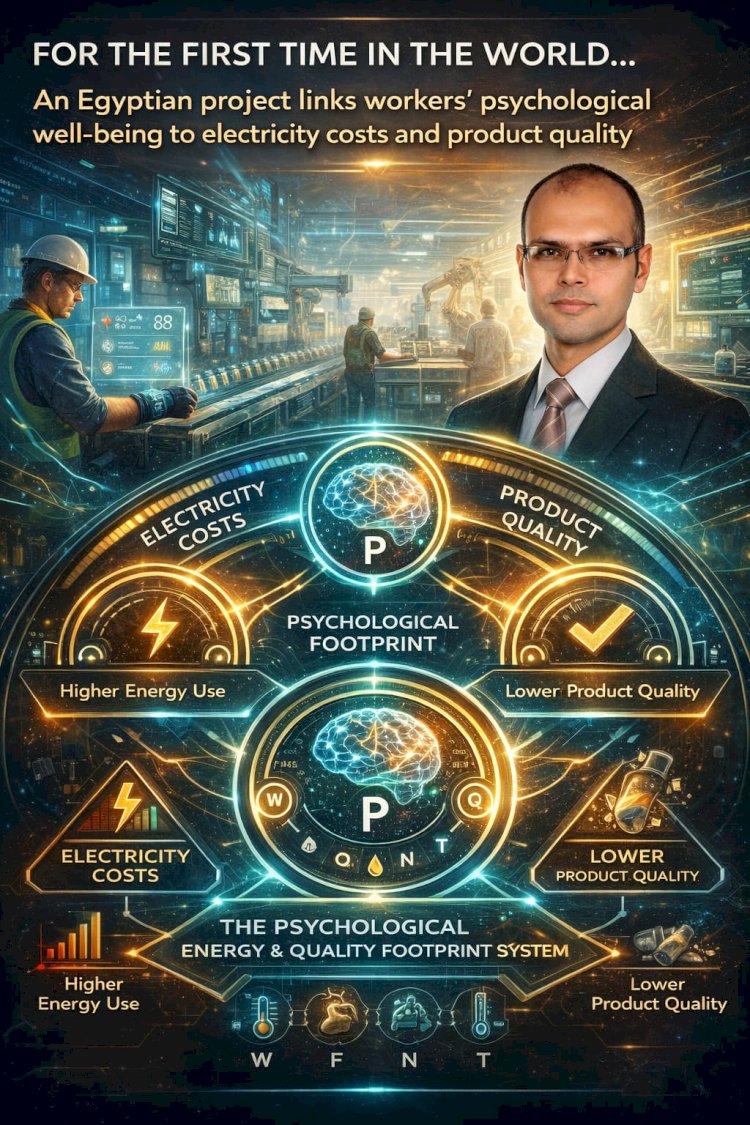



مقدمة بقلم : عثمان الشويخ
دائماً ما كانت مصر ولادة بالعقول التي لا تكتفي باتباع المعايير الدولية بل تسعى لابتكار معايير جديدة تدهش العالم واليوم نحن أمام فكرة خارج الصندوق تدمج بين علوم الإدارة والنفس والهندسة في بوتقة واحدة
البشمهندس هيثم المسلمي أخصائي رقابة الجودة بشركة مطاحن شمال القاهرة يطرح رؤية استثنائية تقلب موازين الصناعة التقليدية حيث لم تعد الجودة مجرد فحص للمنتج النهائي بل أصبحت تبدأ من البصمة النفسية للإنسان الذي يقف خلف الماكينة
في هذا المقال نسلط الضوء على مشروع قومي طموح يربط بين استقرار العامل النفسي وبين فواتير الكهرباء وجودة الغذاء في معادلة مصرية خالصة تستحق أن تُدرس عالمياً.
قبل أن ترتفع فاتورة الكهرباء… كانت النفس قد استنزفت المصنع
“البصمة النفسية للطاقة والجودة”.. مشروع مصري جديد قد يجعل الإنسان نفسه جهاز الإنذار المبكر داخل الصناعة
في كل مصنع غذائي في العالم، توجد أجهزة لقياس درجات الحرارة، والرطوبة، واستهلاك الكهرباء، وسرعات التشغيل، وكفاءة المعدات، ونسب الفاقد، ومعدلات الإنتاج.
لكن رغم كل هذا التطور، لا يوجد حتى الآن جهاز واحد يستطيع أن يقيس شيئًا أكثر خطورة من كل ذلك: الإرهاق النفسي للعامل قبل أن يتحول إلى خطأ، أو فاقد، أو حادث، أو استهلاك كهرباء أعلى، أو خسارة في جودة المنتج.
وهنا تظهر واحدة من أكثر الأفكار المصرية ابتكارًا وخروجًا عن المألوف، وهي فكرة “البصمة النفسية للطاقة والجودة”، باعتبارها مشروعًا قوميًا جديدًا قد يغير طريقة فهمنا للجودة والطاقة داخل المصانع الغذائية.
الفكرة التي يقدمها هيثم محمد عبد الغني المسلمى، أخصائي رقابة الجودة بالإدارة العامة للمكتب الفني بشركة مطاحن شمال القاهرة، تنطلق من مبدأ شديد البساطة لكنه يحمل عمقًا استثنائيًا:
“العامل المرهق نفسيًا لا يستهلك فقط طاقته الداخلية… بل يجعل المصنع كله يستهلك طاقة أكثر.”
فالإنسان داخل المصنع ليس مجرد منفذ للأوامر أو مشغل للماكينات، بل هو المحرك الخفي لكل ما يحدث. وإذا تعرض للإرهاق أو الضغط أو التشتيت أو التوتر، فإن ذلك لا ينعكس فقط على حالته النفسية، بل يمتد ليؤثر على الكهرباء والمياه والبخار والمواد الخام وجودة المنتج النهائي.
حين يكون العامل مرهقًا، فإنه قد يترك المعدات تعمل أكثر من اللازم، أو يتأخر في اكتشاف الأعطال، أو يستهلك خامات أكثر، أو يكرر التشغيل دون داعٍ، أو يرتكب أخطاء في التعبئة والتخزين، أو يتسبب في زيادة المرتجعات والشكاوى، أو يرفع من استهلاك الكهرباء دون أن يشعر.
وهنا تصبح المشكلة ليست في الماكينة وحدها، بل في الحالة النفسية للإنسان الذي يدير هذه الماكينة.
من ديمنج إلى “الجودة النفسية الاستباقية”
اعتمدت مدارس الجودة التقليدية، وعلى رأسها أفكار W. Edwards Deming، على تحسين العمليات وتقليل الأخطاء والهدر من خلال التخطيط والقياس والمتابعة المستمرة.
لكن المشروع الجديد يذهب إلى مستوى أعمق بكثير. فهو لا يسأل فقط: كيف تعمل الماكينة؟
بل يسأل سؤالًا أكثر أهمية: كيف يشعر الإنسان الذي يشغل الماكينة؟
قد تكون خطوط الإنتاج حديثة، والآلات متطورة، والمواد الخام مطابقة للمواصفات، لكن العامل نفسه قد يعيش ضغطًا نفسيًا أو غموضًا في التعليمات أو إرهاقًا مستمرًا أو ازدحامًا في المهام، فيتحول المصنع كله إلى بيئة تستهلك كهرباء أكثر وتنتج جودة أقل، دون أن يدرك أحد السبب الحقيقي.
ومن هنا تظهر فكرة “الجودة النفسية الاستباقية”، وهي فلسفة جديدة ترى أن منع الخطأ يبدأ من فهم الإنسان قبل فحص المنتج.
ما هي البصمة النفسية للطاقة؟
“البصمة النفسية للطاقة والجودة هي مؤشر ذكي يقيس تأثير الحالة النفسية داخل بيئة العمل على عدة عناصر حيوية، منها:
استهلاك الكهرباء.
استهلاك المياه والبخار.
جودة المنتج النهائي.
كفاءة التشغيل.
زمن التوقفات.
الأعطال المتكررة.
نسب الفاقد والهدر.
الشكاوى والمرتجعات.
الحوادث والإصابات.
رضا العاملين.
ويعتمد هذا المؤشر على مجموعة من المتغيرات الأساسية مثل:
W = ضغط العمل.
F = الإرهاق البدني.
C = التكدس والزحام.
I = غموض التعليمات.
T = الحرارة داخل بيئة العمل.
N = الضوضاء.
D = الأعطال المفاجئة.
E = استهلاك الطاقة.
Q = مستوى الجودة.
P = البصمة النفسية.
ويتم قياس العلاقة بين هذه العناصر عبر معادلات ذكية تربط بين ارتفاع الضغط النفسي وارتفاع استهلاك الطاقة وانخفاض جودة التشغيل.
كلما ارتفع مؤشر البصمة النفسية داخل المصنع، ارتفعت احتمالات زيادة استهلاك الكهرباء، وتراجع مستوى الجودة، وارتفاع معدلات الفاقد.
أما الجودة الممتدة داخل هذا المشروع فلا تقاس بالطريقة التقليدية، بل تعتمد على خصم التأثير النفسي السلبي من جودة الأداء الفعلية.
أي أن الجودة الحقيقية لا تعني فقط جودة المنتج النهائي، بل تعني جودة المنتج بعد خصم الأثر النفسي السلبي الذي تعرض له العامل أثناء عملية الإنتاج.
لماذا قد يصبح هذا المشروع مشروعًا قوميًا؟
لأن الصناعات الغذائية في مصر تستهلك كميات ضخمة من الكهرباء والمياه والوقود، خاصة في المطاحن، والمخابز، ومصانع السكر، والزيوت، والألبان، والعصائر، واللحوم، والتعبئة والتغليف.
وفي كثير من الأحيان يتم البحث عن أسباب ارتفاع استهلاك الطاقة داخل الماكينات فقط، بينما يكون السبب الحقيقي مرتبطًا بعوامل أخرى مثل:
سوء توزيع الورديات.
ضغط العمل المستمر.
الإرهاق النفسي للعاملين.
غموض الأوامر والتعليمات.
ضعف التدريب.
ارتفاع درجات الحرارة.
سوء الإضاءة والتهوية.
التوتر الناتج عن الأعطال المتكررة.
ضعف الحوافز والشعور بعدم التقدير.
ومن هنا فإن المشروع لا يقدم فقط وسيلة لتقليل استهلاك الكهرباء، بل يقدم أيضًا فلسفة جديدة لتحسين بيئة العمل بالكامل، بما ينعكس على العامل، والمصنع، والمواطن، والدولة.
فكل انخفاض في الفاقد أو الطاقة أو الأخطاء يعني منتجًا أقل تكلفة، وجودة أعلى، وسعرًا أكثر استقرارًا للمواطن المصري.
كيف يمكن تطبيق المشروع داخل مصانع الأغذية؟
يقوم المشروع على إنشاء “لوحة قيادة نفسية للطاقة والجودة” داخل كل مصنع، بحيث تعرض بشكل يومي مؤشرات رئيسية مثل:
الضغط النفسي للعاملين.
استهلاك الطاقة لكل خط إنتاج.
معدل الأعطال.
نسب الفاقد.
ساعات التوقف.
عدد الشكاوى.
رضا العاملين.
أكثر الأماكن استنزافًا نفسيًا داخل المصنع.
ومع الوقت، يمكن اكتشاف العلاقة المباشرة بين الحالة النفسية للعاملين وبين استهلاك الكهرباء والإنتاجية والجودة.
فعلى سبيل المثال، إذا لوحظ أن وردية معينة تستهلك كهرباء أعلى بنسبة 15% من غيرها، فقد يكون السبب ليس في المعدات، بل في ارتفاع الضغط النفسي داخل هذه الوردية.
كما يمكن إنشاء وحدات جديدة داخل المصانع تحت اسم “غرف الجودة النفسية والطاقة”، تكون مهمتها تحليل الضغوط اليومية، وتحسين الإضاءة والتهوية، وتقليل التكدس، وتحسين توزيع العمالة، وتقليل وقت الانتظار، ووضع نظم تحفيز نفسي وإنتاجي للعاملين.
المواطن هو المستفيد الأول
حين تنخفض تكلفة الطاقة والهدر داخل المصنع، فإن المواطن المصري سيكون أول من يشعر بالنتيجة.
فانخفاض الفاقد يعني استقرارًا أكبر في أسعار السلع الأساسية، وتحسنًا في جودة الخبز والدقيق والزيوت والسكر ومنتجات الغذاء، وتقليلًا لنقص المنتجات أو انقطاعها، ورفعًا لكفاءة منظومة الدعم التمويني.
وهنا تتحول الجودة من مجرد مواصفة فنية داخل المصنع إلى مشروع قومي يرتبط مباشرة بجودة حياة المواطن نفسه.
مصر لا تكتفي بتطبيق الجودة… بل قد تصنع مدرسة جديدة للعالم
إذا كانت اليابان قد قدمت للعالم مدارس الجودة الصناعية، وإذا كانت الولايات المتحدة قد قدمت نظريات الإدارة والإنتاج، فإن مصر تستطيع أن تقدم للعالم مدرسة جديدة بالكامل:
“مدرسة الجودة النفسية الاستباقية”
وهي مدرسة ترى أن الإنسان ليس مجرد عامل داخل المصنع، بل هو المصدر الحقيقي للطاقة أو الهدر داخل أي مؤسسة.
فالمستقبل لن يكون فقط لمن يمتلك الماكينات الأكبر أو التكنولوجيا الأحدث، بل لمن يفهم الإنسان الذي يقف أمام هذه الماكينات، ويعرف كيف يحول راحته النفسية إلى جودة أعلى، وطاقة أقل، وإنتاجية أكبر.
وربما يكون هذا المشروع، الذي يقدمه هيثم محمد عبد الغني المسلمى، أحد أكثر الأفكار المصرية قدرة على تحويل الجودة من لغة جامدة إلى فلسفة إنسانية ذكية، تجعل النفس البشرية جزءًا من معادلة الإنتاج والطاقة والتنمية.
وربما يأتي يوم تصبح فيه مصر ليست فقط دولة تطبق معايير الجودة العالمية، بل الدولة التي تصنع معيارًا جديدًا للعالم كله.
خاتمة بقلم :عثمان الشويخ
إن ما قدمه البشمهندس هيثم المسلمي في هذا الطرح ليس مجرد بحث أكاديمي بل هو فكر جديد لو تم تطبيقه في قلاعنا الصناعية خاصة في قطاع المطاحن والصناعات الغذائية لشهدنا طفرة غير مسبوقة في تقليل الهدر وتحقيق الاكتفاء الذاتي بجودة تليق باسم مصر
إنها دعوة للمسؤولين لتبني هذه المدرسة المصرية الجديدة في الجودة النفسية الاستباقية لنثبت للعالم أن الماكينة قد تصنع المنتج لكن الإنسان المستقر هو من يصنع الحضارة ويوفر الموارد
كل التحية لهذا الفكر المبدع وإلى مزيد من الابتكارات التي تخدم الوطن والمواطن.
[النسخة الإنجليزية / English Version]
For the first time in the world, an Egyptian project links workers' psychological well-being to electricity costs and product quality.
......................
Before the electricity bill rises… the human mind may have already drained the factory
“The Psychological Energy and Quality Footprint”... A New Egyptian Project That Could Turn Human Beings Themselves into an Early Warning System Within Industry
In every food factory around the world, there are devices that measure temperature, humidity, electricity consumption, operating speeds, equipment efficiency, waste ratios, and production rates.
Yet despite all this technological progress, there is still no single device capable of measuring something even more dangerous than all of these factors combined: the psychological exhaustion of the worker before it turns into an error, waste, an accident, higher electricity consumption, or a decline in product quality.
Here emerges one of the most innovative and unconventional Egyptian ideas: the “Psychological Energy and Quality Footprint,” presented as a new national project that could transform the way we understand quality and energy inside food factories.
The idea, introduced by Haysam Mohamed Abdel Ghani Al-Musallami, a Quality Control Specialist at the General Administration of the Technical Office of the CEO at North Cairo Flour Mills Company, is based on a very simple principle that carries exceptional depth:
“A psychologically exhausted worker does not only consume his own internal energy… he causes the entire factory to consume more energy.”
The human being inside the factory is not merely someone who follows instructions or operates machines. Rather, he is the hidden engine behind everything that happens. If he is exposed to exhaustion, pressure, distraction, or stress, the impact does not stop at his psychological condition alone. It extends to affect electricity, water, steam, raw materials, and the quality of the final product.
When a worker is exhausted, he may leave equipment running longer than necessary, delay discovering malfunctions, consume more raw materials, repeat operations unnecessarily, make mistakes in packaging and storage, increase returns and complaints, or raise electricity consumption without even realizing it.
At that point, the problem is no longer only in the machine itself, but in the psychological condition of the person operating it.
From Deming to “Proactive Psychological Quality”
Traditional schools of quality management, especially the ideas of W. Edwards Deming, relied on improving processes and reducing errors and waste through planning, measurement, and continuous monitoring.
However, this new project goes much deeper. It does not merely ask: “How does the machine work?”
It asks a far more important question: “How does the person operating the machine feel?”
Production lines may be modern, machinery advanced, and raw materials fully compliant with specifications, yet the worker himself may be suffering from psychological stress, unclear instructions, continuous exhaustion, or overcrowded workloads. As a result, the entire factory may become an environment that consumes more electricity and produces lower quality without anyone realizing the true reason.
This is where the idea of “Proactive Psychological Quality” emerges—a new philosophy that sees error prevention as beginning with understanding the human being before inspecting the product.
What Is the Psychological Energy Footprint?
The “Psychological Energy & Quality Footprint System” (PEQF) is a smart indicator that measures the impact of the psychological condition within the work environment on several critical factors, including:
Electricity consumption
Water and steam consumption
Final product quality
Operational efficiency
Downtime duration
Repeated malfunctions
Waste and loss rates
Complaints and returns
Accidents and injuries
Employee satisfaction
This indicator relies on a set of core variables such as:
W = Work pressure
F = Physical fatigue
C = Crowding and congestion
I = Ambiguity of instructions
T = Temperature inside the work environment
N = Noise
D = Sudden malfunctions
E = Energy consumption
Q = Quality level
P = Psychological footprint
The relationship between these variables is measured through intelligent equations that connect rising psychological pressure with higher energy consumption and lower operational quality.
As the psychological footprint index inside the factory rises, the probability of higher electricity consumption, lower quality, and increased waste also rises.
Under this project, extended quality is not measured in the traditional way. Instead, it is based on subtracting the negative psychological impact from the actual level of performance.
In other words, true quality does not simply mean the quality of the final product. It means the quality of the product after deducting the negative psychological impact experienced by the worker during the production process.
Why Could This Become a National Project?
Because food industries in Egypt consume enormous quantities of electricity, water, and fuel—especially flour mills, bakeries, sugar factories, oil plants, dairy factories, juice manufacturers, meat processing plants, and packaging facilities.
In many cases, the reasons behind high energy consumption are searched for only within the machines themselves, while the real causes may actually be linked to factors such as:
Poor shift distribution
Continuous work pressure
Workers’ psychological exhaustion
Ambiguous instructions and orders
Weak training systems
High temperatures
Poor lighting and ventilation
Stress caused by repeated malfunctions
Weak incentives and lack of appreciation
Thus, the project does not only offer a way to reduce electricity consumption. It also presents a new philosophy for improving the entire work environment in a way that benefits the worker, the factory, the citizen, and the state.
Every reduction in waste, energy use, or errors means a lower-cost product, higher quality, and more stable prices for the Egyptian citizen.
How Could the Project Be Applied Inside Food Factories?
The project is based on creating a “Psychological Energy and Quality Dashboard” inside every factory. This dashboard would display, on a daily basis, key indicators such as:
Workers’ psychological stress levels
Energy consumption for each production line
Malfunction rates
Waste ratios
Downtime hours
Number of complaints
Employee satisfaction
The areas within the factory that are the most psychologically draining
Over time, the direct relationship between workers’ psychological condition and electricity consumption, productivity, and quality can be discovered.
For example, if it is observed that a certain shift consumes 15% more electricity than others, the reason may not lie in the equipment itself, but rather in the higher psychological pressure within that shift.
Factories could also establish new units called “Psychological Quality and Energy Rooms,” whose role would be to analyze daily stress, improve lighting and ventilation, reduce overcrowding, optimize workforce distribution, reduce waiting times, and create psychological and productivity-based incentive systems for workers.
The Citizen Is the First Beneficiary
When the cost of energy and waste inside factories decreases, the Egyptian citizen will be the first to feel the result.
Lower waste means greater stability in the prices of essential goods, improved quality of bread, flour, oils, sugar, and food products, fewer shortages and supply interruptions, and greater efficiency in the subsidy system.
At this point, quality is transformed from merely a technical specification inside the factory into a national project directly linked to the quality of life of the citizen himself.
Egypt May Not Only Apply Quality Standards… It May Create a New School for the World
If Japan introduced the world to industrial quality schools, and the United States introduced theories of management and production, Egypt can introduce an entirely new school to the world:
“Proactive Psychological Quality”
This school sees the human being not merely as a worker inside the factory, but as the true source of either energy or waste within any institution.
The future will not belong only to those who own the largest machines or the newest technologies. It will belong to those who understand the human being standing in front of these machines and know how to turn his psychological comfort into higher quality, lower energy consumption, and greater productivity.
Perhaps this project, presented by Haysam Mohamed Abdel Ghani Al-Musallami, is one of the most powerful Egyptian ideas capable of transforming quality from a rigid language into an intelligent human-centered philosophy—one that makes the human mind itself part of the equation of production, energy, and development.
And perhaps the day will come when Egypt is not only a country that applies global quality standards, but the country that creates a new standard for the entire world.